





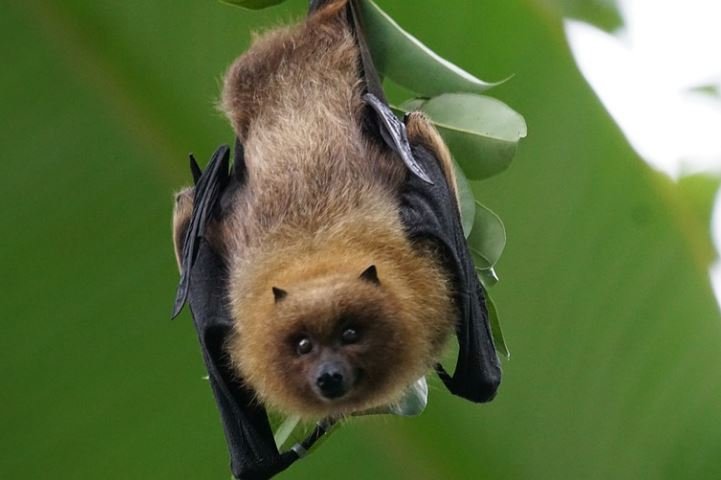
Metro Vancouver parks staff and the South Coast Bat Conservation Society have teamed up to undertake bat acoustic surveys and white nose syndrome surveillance in regional parks.
To do these surveys, bat detectors were set up at Lynn Headwaters and Pacific Spirit regional parks for eight nights.
The bat detectors are fitted with specialized microphones, which record the echolocation calls that bats use to navigate and find insect prey. Using special software, experts can analyze the calls using spectrograms of the data to distinguish different bat species
The calls can be difficult to distinguish depending on the quality of the recording. Three levels of certainty are recorded: Expected (confirmed), Likely (probable) and Possible.
Below are the results for Lynn Headwaters Regional Park
Expected: hoary bat, little brown myotis
Likely: Yuma myotis, big brown bat, long-eared bat, California myotis
Possible: long-legged myotis
Below are the results for Pacific Spirit Regional Park
Expected: hoary bat, little brown myotis, Yuma myotis, big brown bat
Likely: silver-haired bat, long-eared bat, California myotis
Possible: Mexican free-tailed bat, long-legged myotis
In April 2021, volunteer biologists assembled over several nights at Iona Beach Regional Park in Richmond to catch early season bats and test them for the presence of white nose syndrome, which has decimated bat populations in eastern North America and is present nearby in Washington State.
Surveillance is essential to inform provincial and regional bat conservation measures, particularly in Myotis species
Residents can help with WNS surveillance by contacting the BC Community Bat Program to report any bat activity observed in winter and any sick or dead bats found before May 31, online at www.bcbats.ca, or fraservalley@bcbats.ca or by calling 1-855-GOT-BATS (ext 23).